Creating a Climate Coaching Service
Local Non-Profit - Climate Action Evanston
THE CHALLENGE
Climate Action Evanston wants to help homeowners make climate-friendly home updates but feel overwhelmed and uncertain where to start. They lack clear, actionable steps and trusted guidance.
Context
Academic + Real partner project with Climate Action Evanston
10-week service design engagement.
Skills
User Research, Service Design, Storytelling
FINAL DELIVERABLES
16 Artifacts
1 Service Blueprint
Success Metrics
Back End and Support Processes with handoff for Pilot
THE A BRIEF LOOK AT OUR SOLUTION:
We designed an in home climate coaching service.
This service starts at our homeowners discovering our non profit at community events then continues through the process of them signing up to get their home looked at by a local eco - home expert from our non profit.
They are given actionable recommendations based on their personal comfort and knowledge level in making home updates.
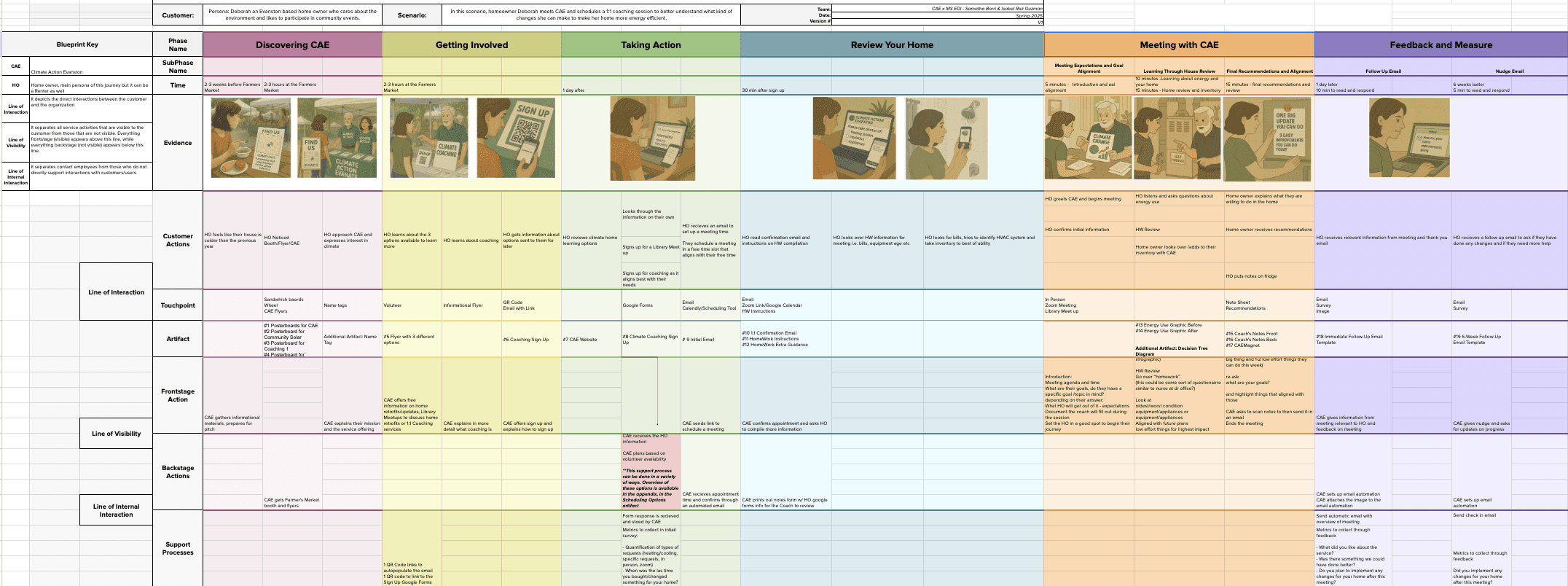
Looking at the End-to-End Service through the 5 E's
Entice :
Discovering Climate Action Evanston and Getting involved
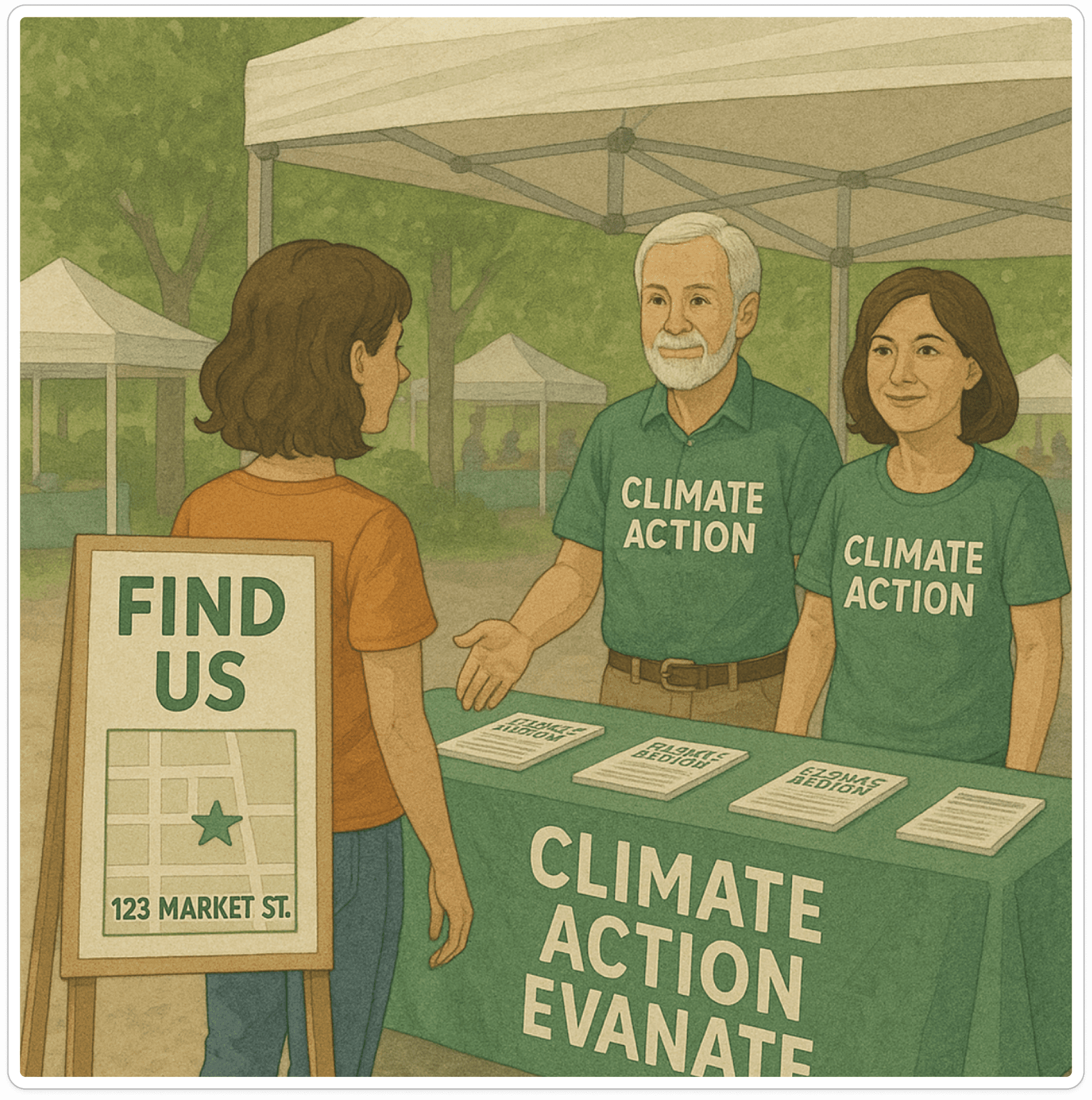
Discovering CAE at community events
Easy sign-up through QR codes and simple forms
Enter:
Taking Action
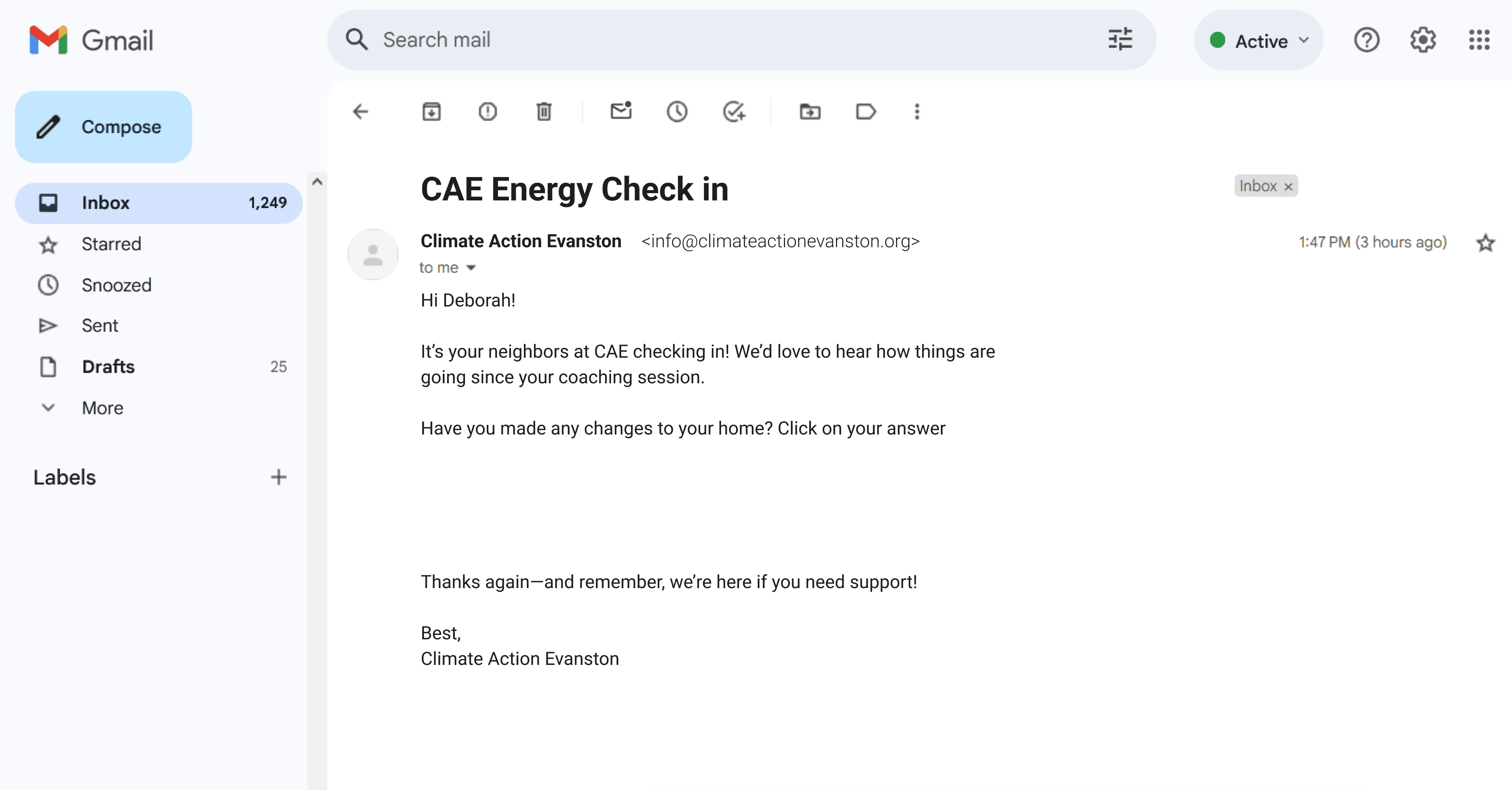
Follow up email from CAE
Calendly and Scheduling for in home visit
Engage:
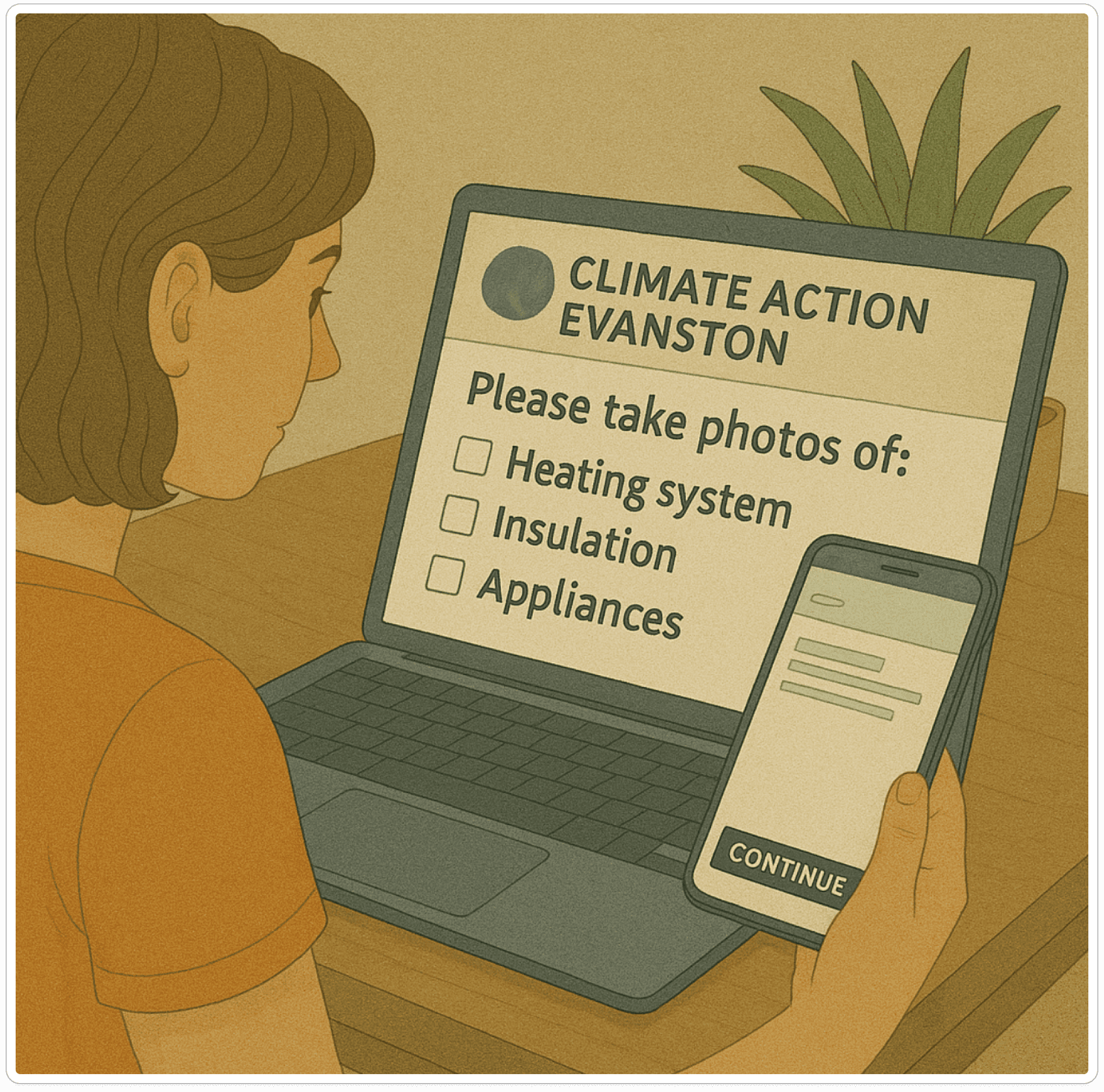
Reviewing your home
Homework to help homeowners prepare
A structured in-home or virtual coaching session
Engage:
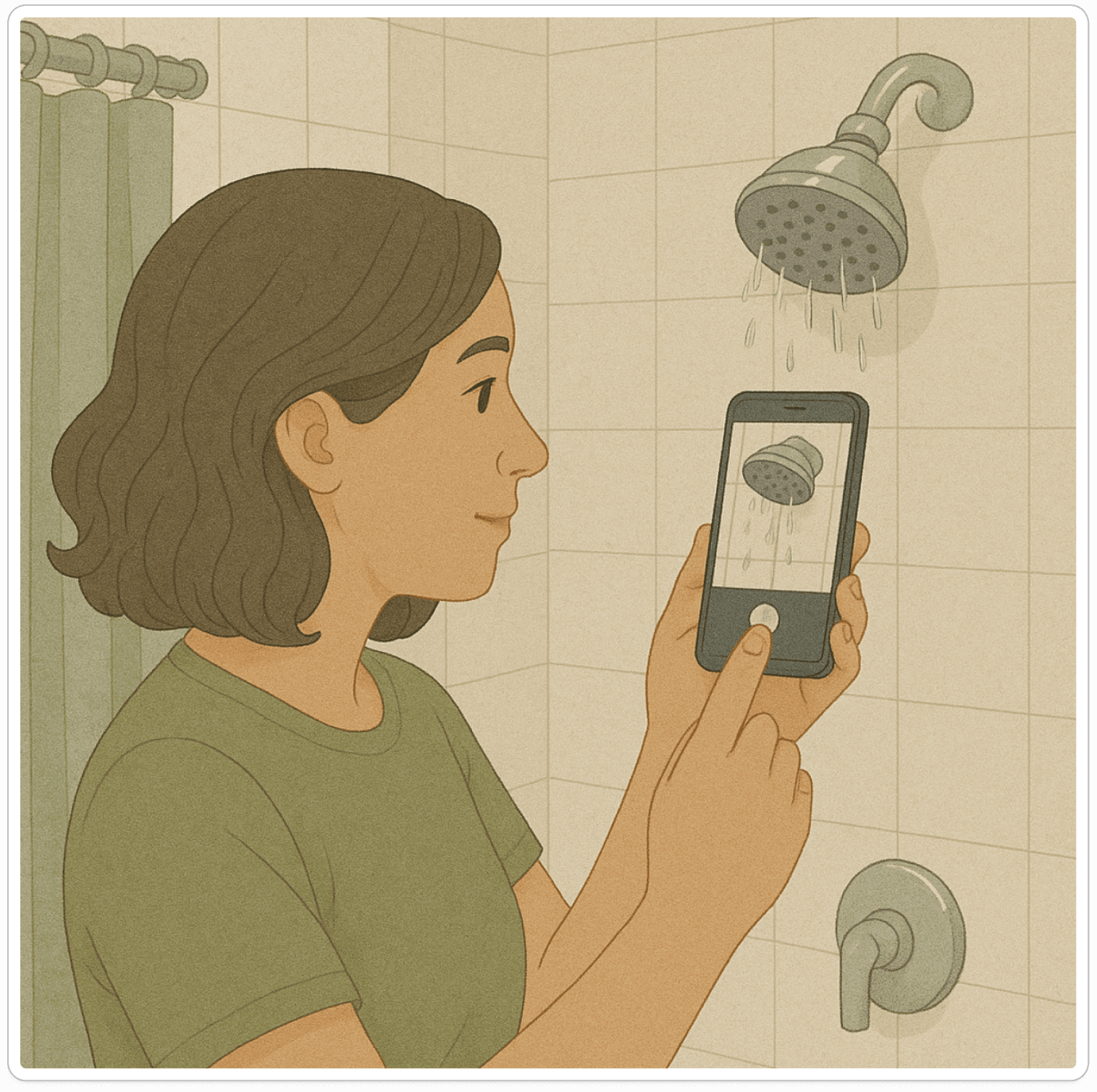
Meeting with CAE
Educating the homeowner on seasonal climate impacts of home
Reviewing home with Coach
Exit:
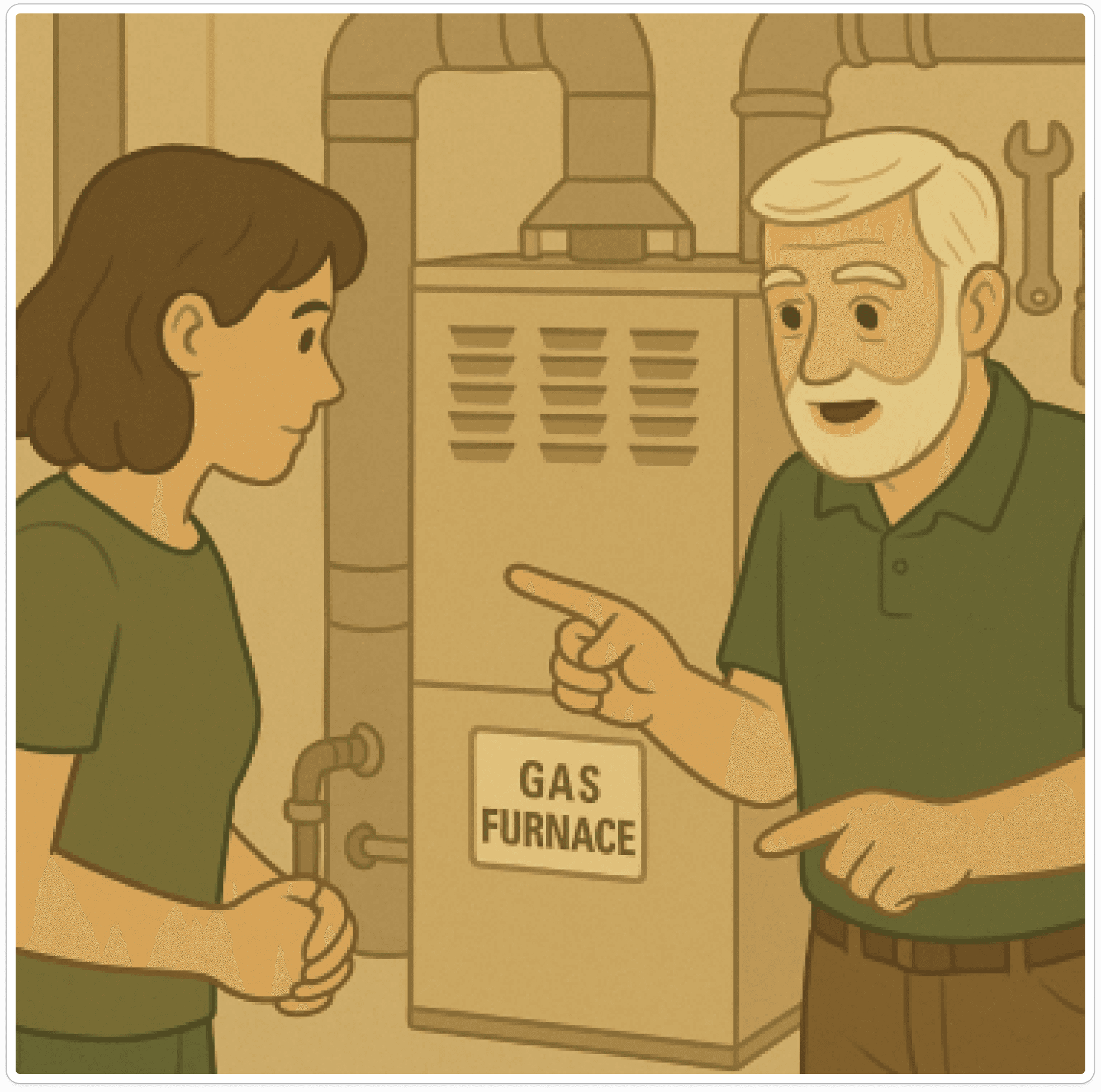
Final Recommendations
Coach gives personalized home update recommendations
to homeowner based on comfort, goals and home infrastructure
Extend:
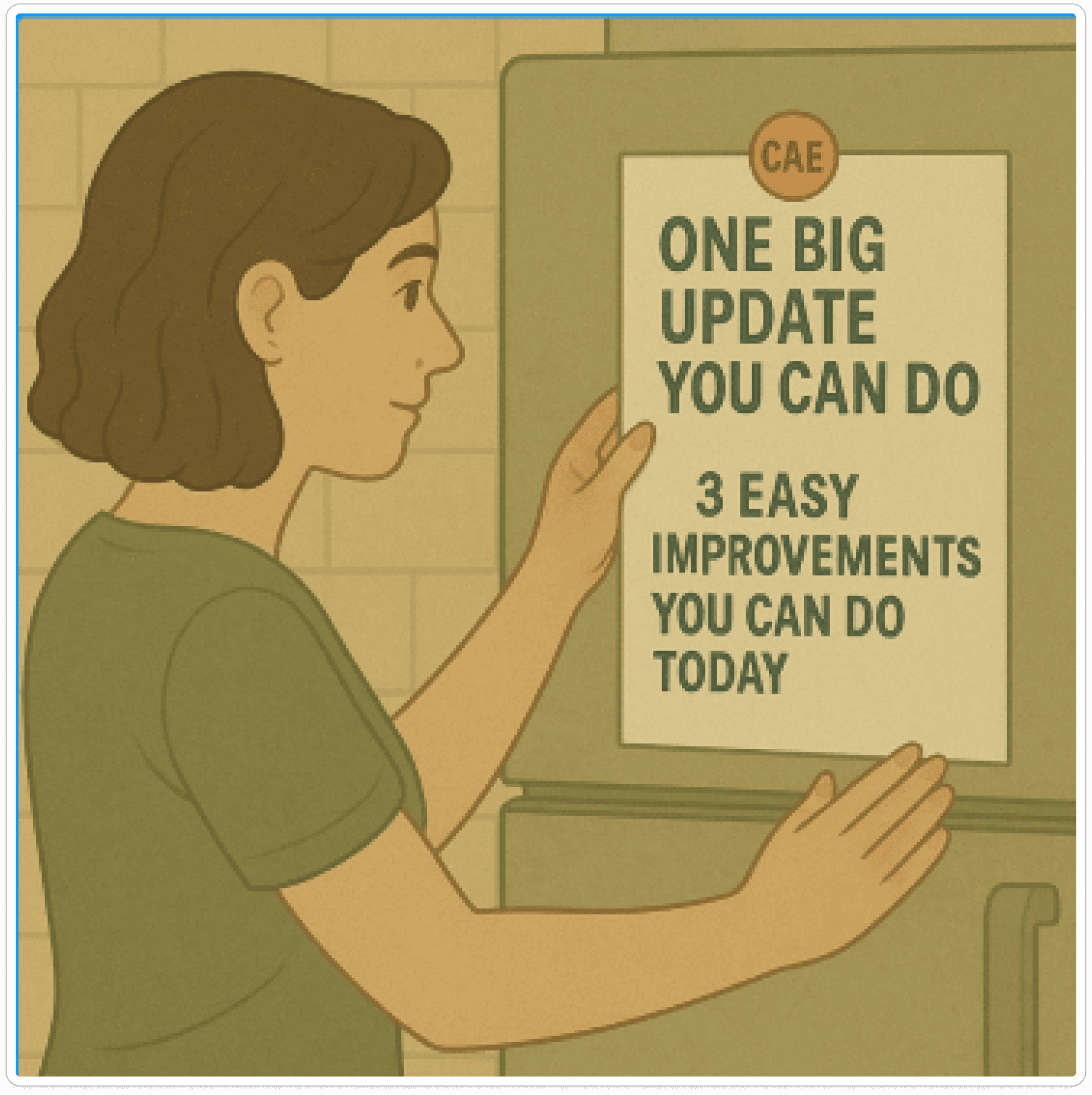
Follow up and feedback
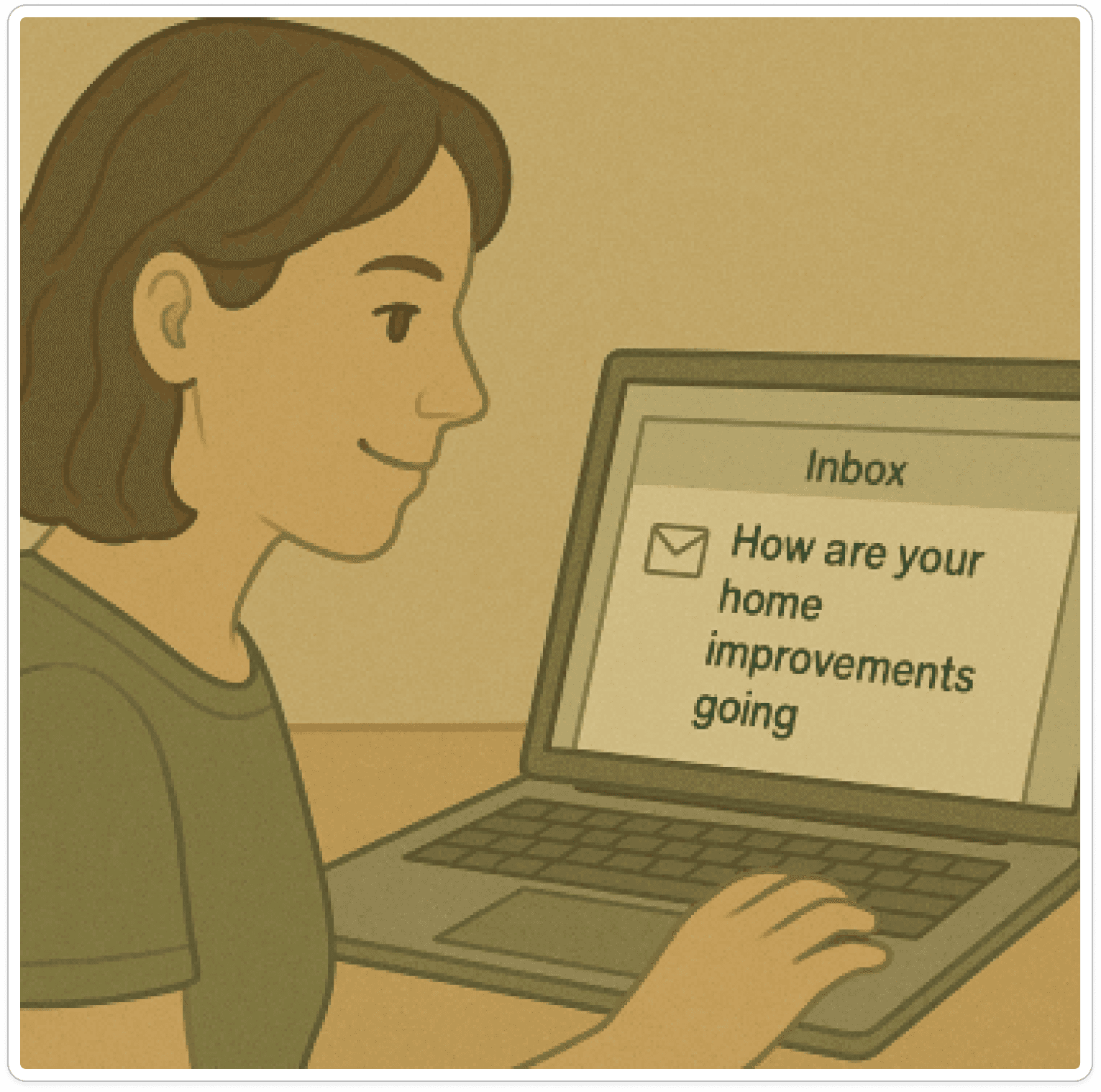
Follow up nudge email with KPI action
Offering extra help they made need to make update
WHAT WAS OUR DESIGN PROCESS?
Partner and Problem Framing
We partnered with Climate Action Evanston (CAE), a small nonprofit of architects, engineers, and climate activists,
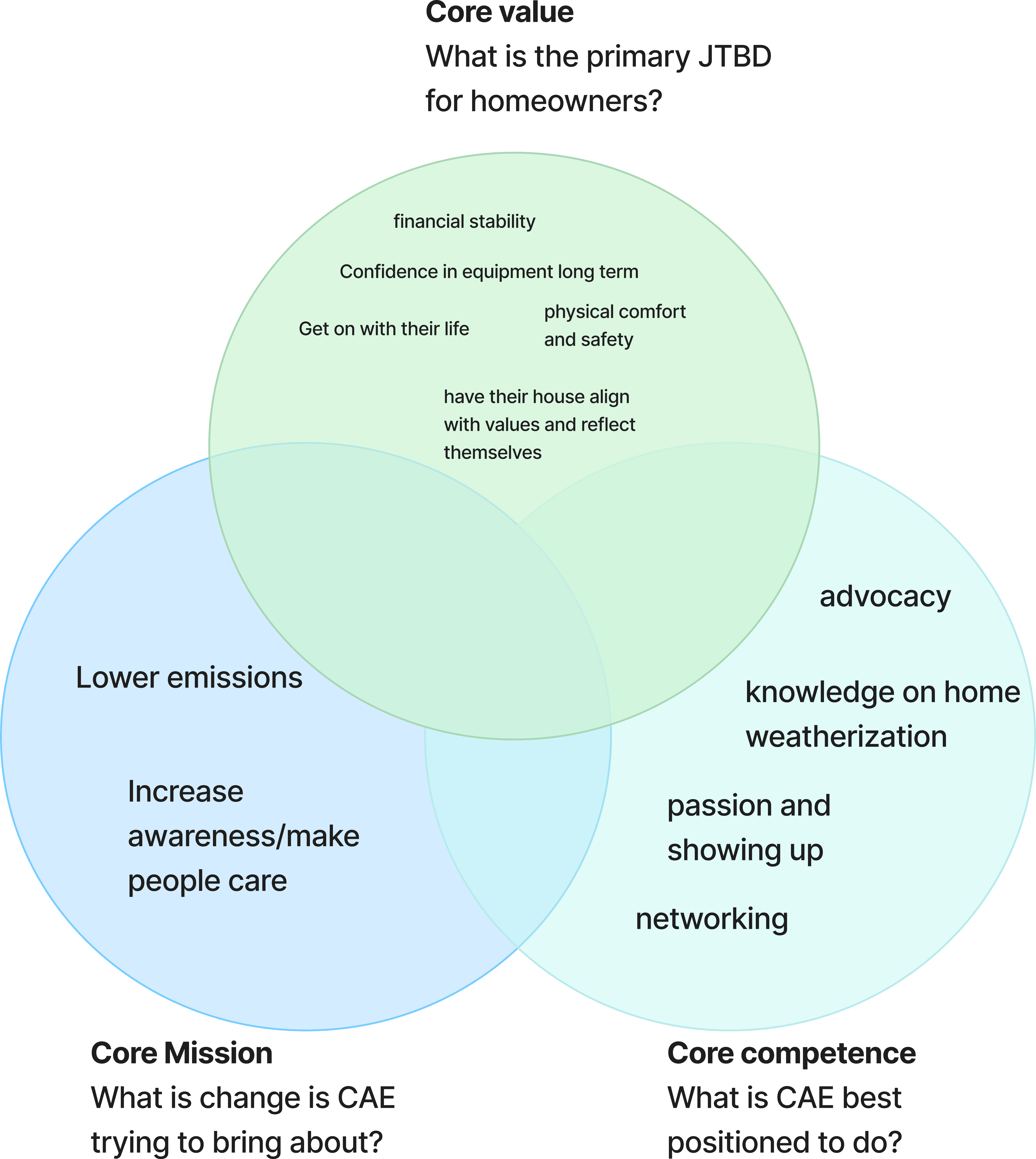
We learned about their strengths, knowledge gaps, and what they were excited about - mapping this all out
Using stimuli to answer research questions
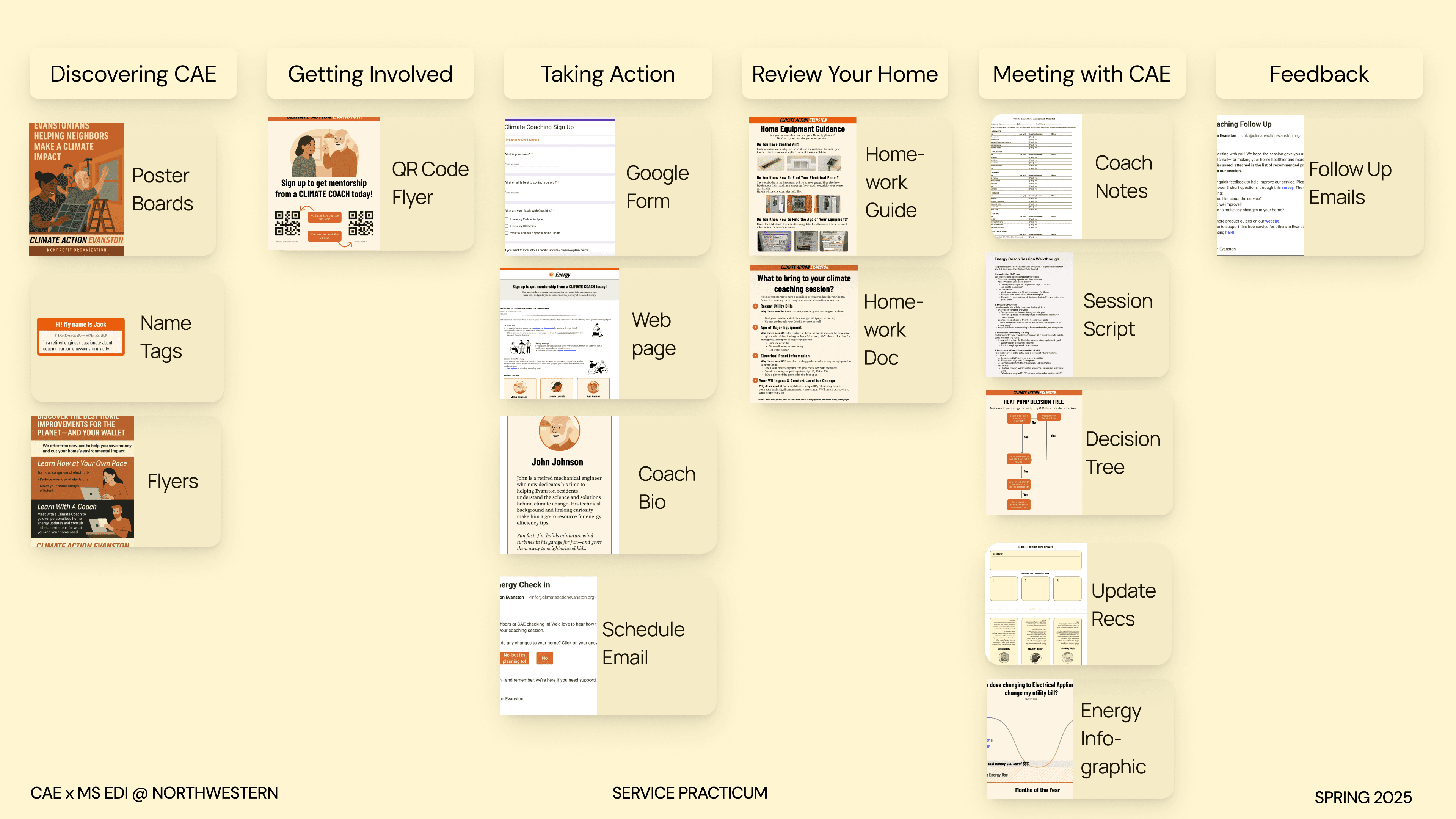
We designed everything needed to make the service real: posters, flyers, QR codes, forms, homework guides, coach scripts, decision trees, recommendation sheets, and follow-up emails. Each artifact had a clear role—reducing confusion, building trust, or making next steps feel manageable.
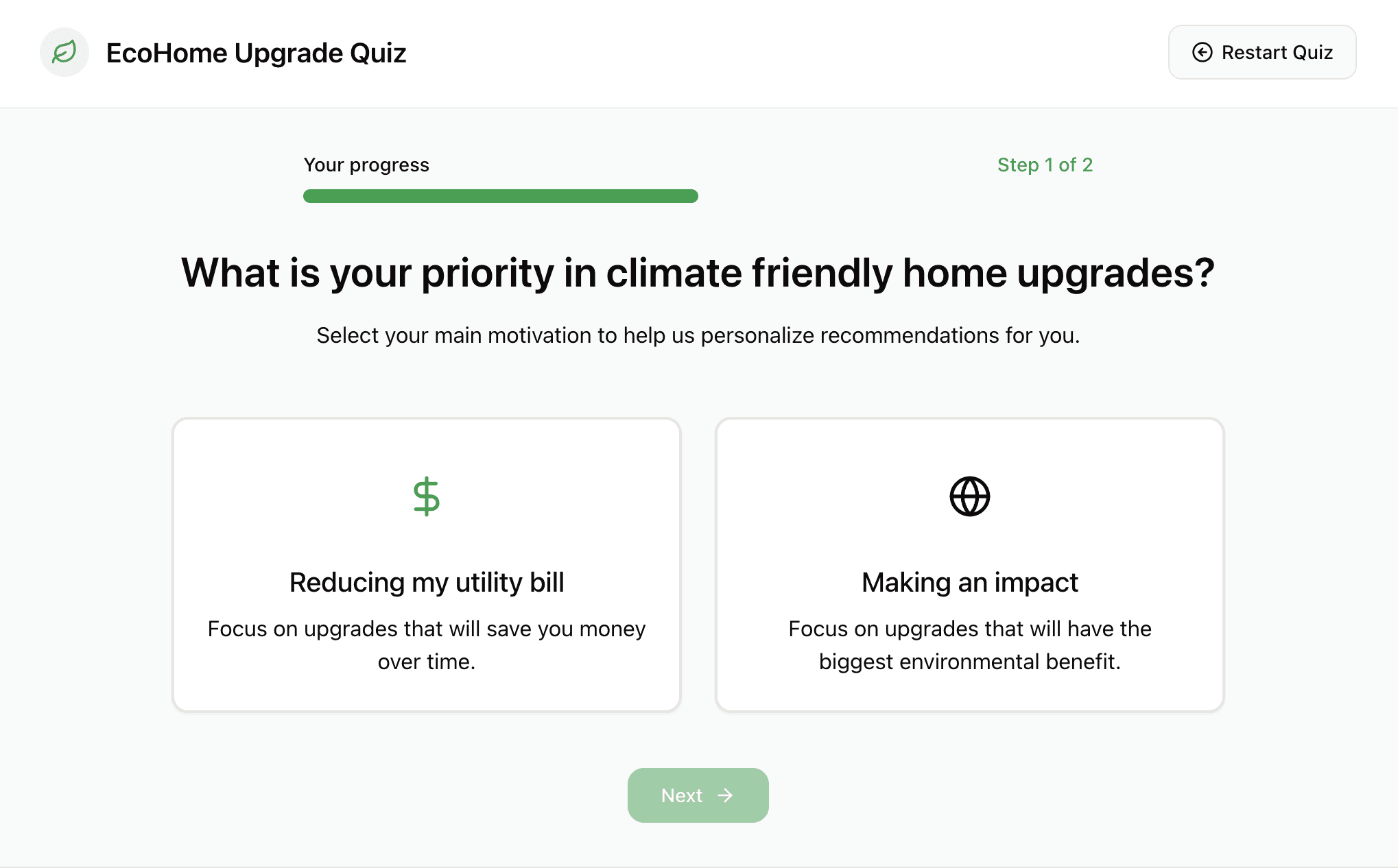
Replit Climate Friendly Home Quiz
Question to test:
What do people care about? i.e. finances, making an impact?
How much are they willing to look at/how long are they willing to take in learning
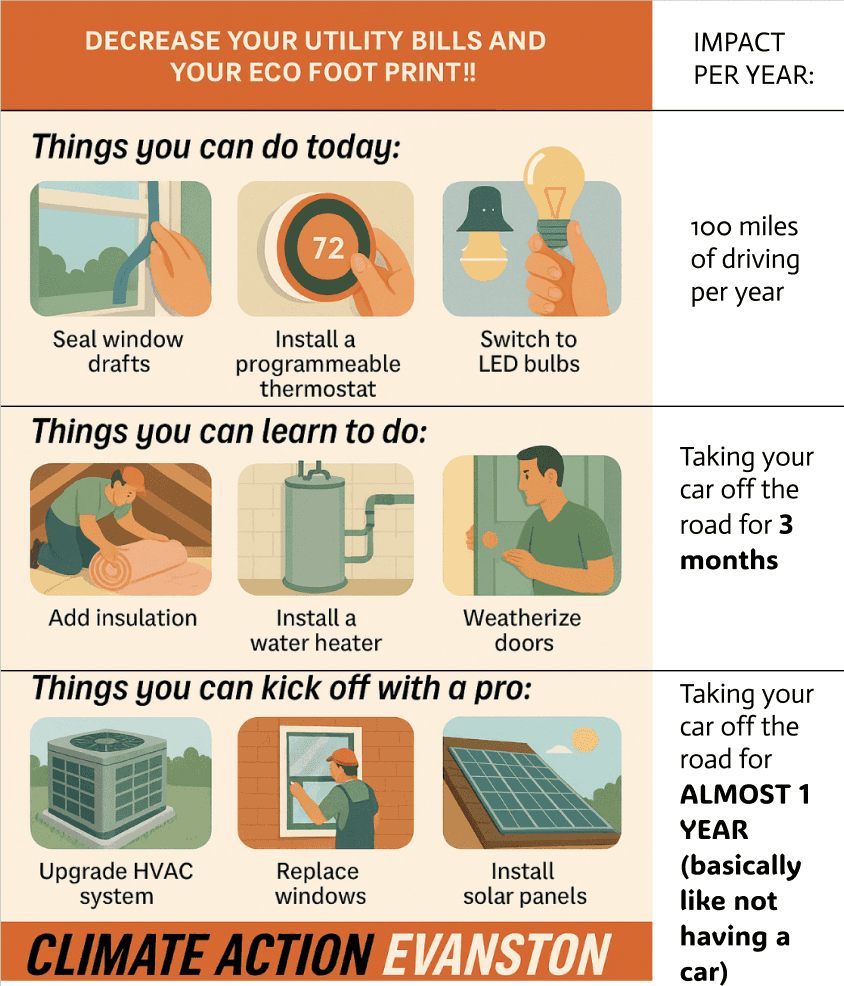
Farmers Market Home Improvement Flyer
Question to test:
How can people easily make a decision on what to pursue?
What do people need to feel inspired or motivated to pursue eco friendly home updates
Defining Design Principles
From research, we shaped the service around four principles:
These principles guided every design decision.
Build community
Support Evanston’s climate goals
Show real expertise and trust
Make action feel easy and achievable
Designing Touchpoints & Artifacts through Insignts
We designed everything needed to make the service real: posters, flyers, QR codes, forms, homework guides, coach scripts, decision trees, recommendation sheets, and follow-up emails. Each artifact had a clear role—reducing confusion, building trust, or making next steps feel manageable.
Designing Artifacts for Trust
INSIGHT: How can I trust you?
People need an extra layer of trust and comfort when letting people into their homes to provide recommendations for home updates. Residents don't want to be sold to
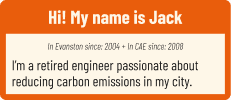
ARTIFACT: Name tags
with the names and expertise and eco passions of our volunteers helped create trust that our volunteers are experts about home infrastructure in an eco lense
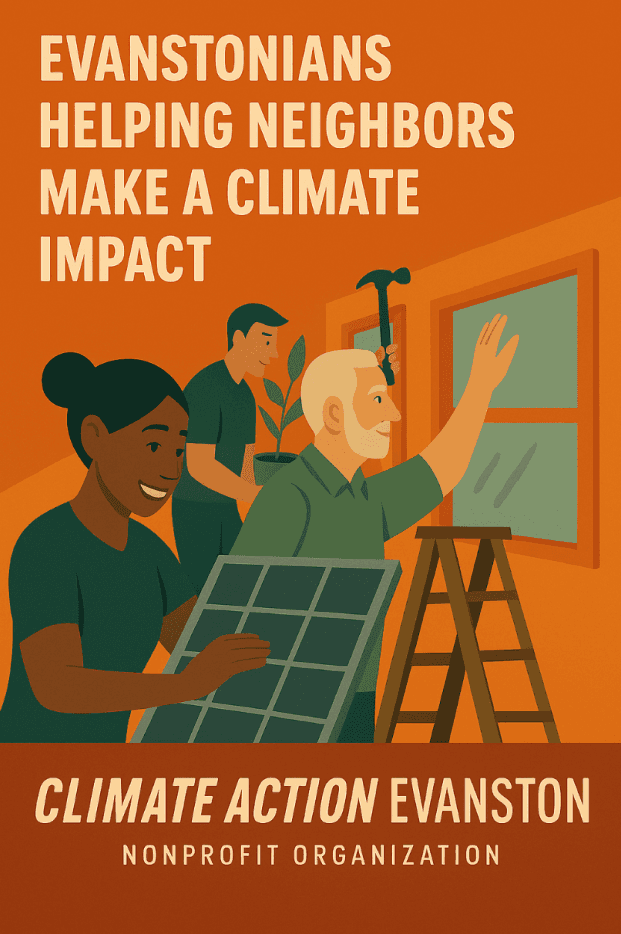
ARTIFACT: Poster Boards
Flyers and boards expressing that our coaches are local residence, friends and neighbors of the people they are coaching, allows people to feel comfortable with doing a coaching sessions with a coach, especially if they choose to do so in their home.
Coaching Artifacts and Desiging the Coaching Session:
We role played mock coaching sessions with CAE, where my partner and I acted as homeowners. This helped uncover gaps, confusing moments, and ways to make the experience smoother and more empowering—for both the coach and the homeowner.
INSIGHT: Where do I even start?
Many Homeowners don't know enough about the details of their home infrastructure and aren't doing updates enough for them to feel comfortable starting with something big, like replacing a furnace.
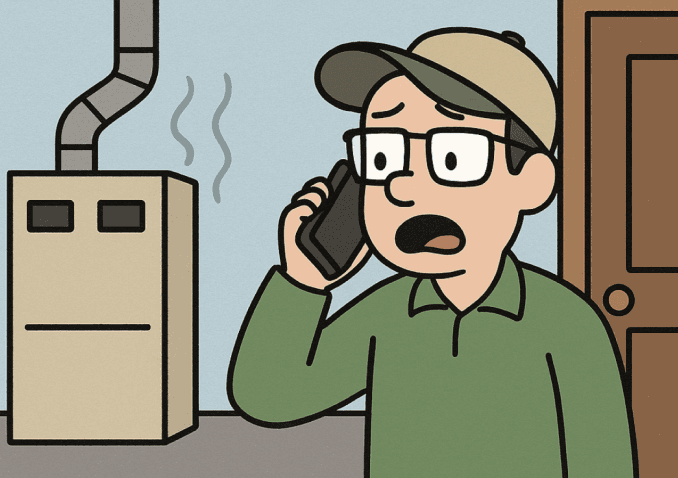
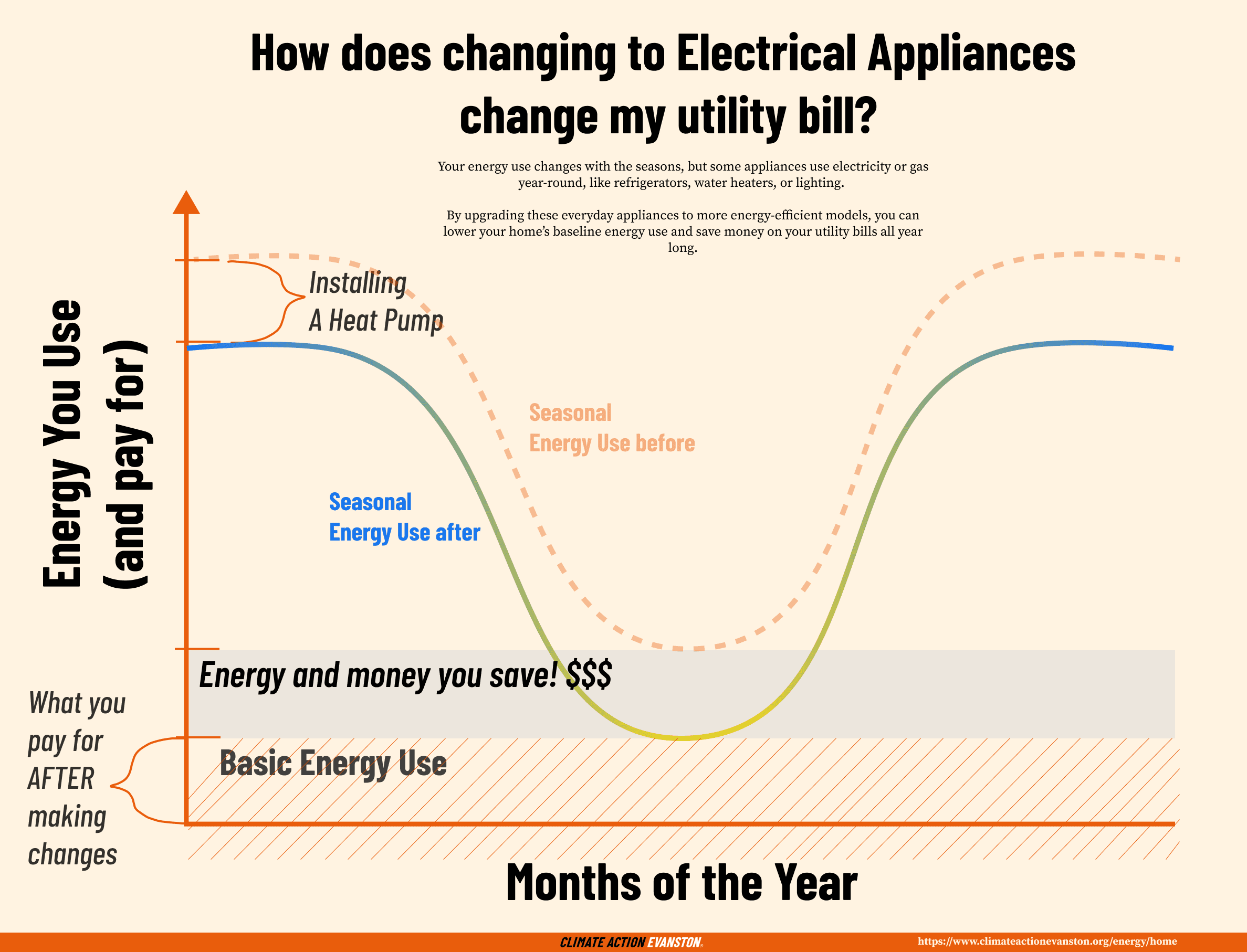
ARTIFACT: Infographic of energy saving
Born out of a quick sketch in one of our Coach Role Play session, this is a visual for our coaches to start the conversation to get them excited and give residents a baseline understanding of what they will get out of an upgrade like this long term
ARTIFACT: Actionable Recs sheet
A coaching session will involve a lot of new information, and can be overwhelming and leave the homeowner in decision paralysis.
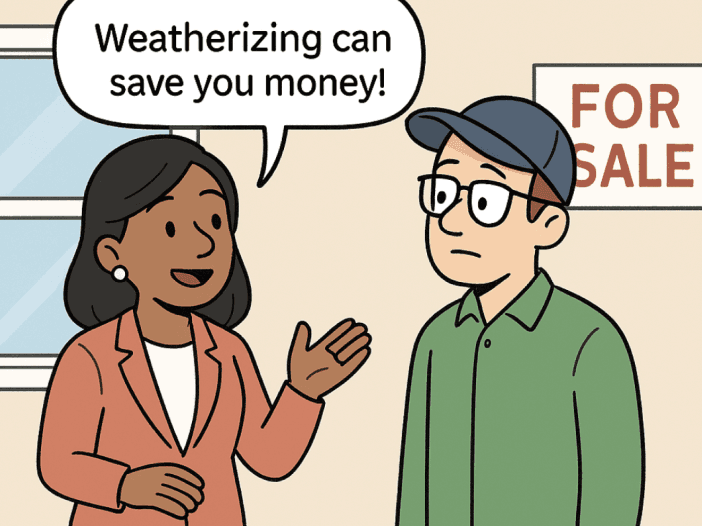
3 easy actionable updates that a homeowner can do that week - to give them confidence to do one big update
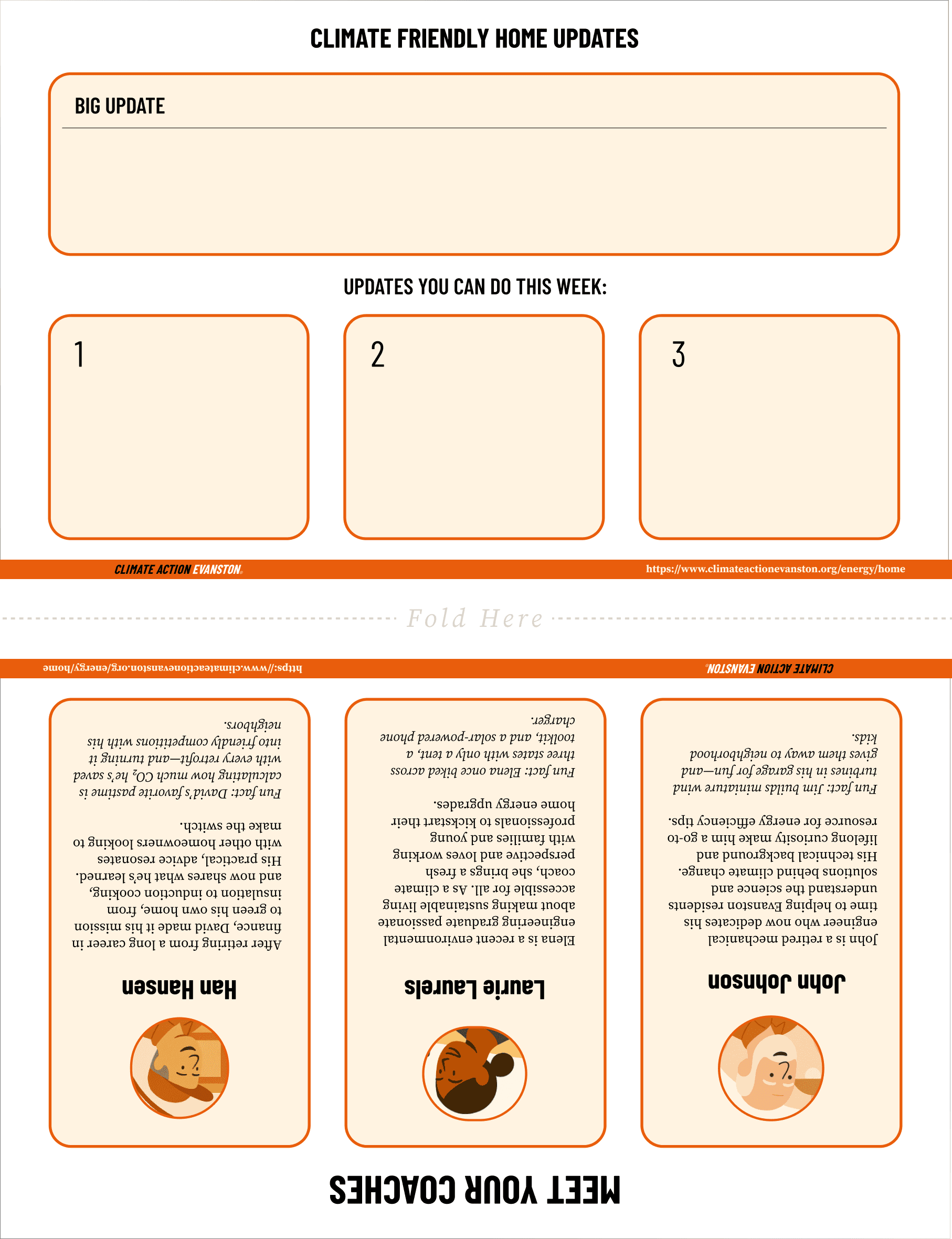
Coach bios as reference and a reminder of who to reach out for follow up and of their expertise
Backstage & Systems Thinking
Without the backstage being organized and how this is going to run soothly with what support processes - a service falls apart.
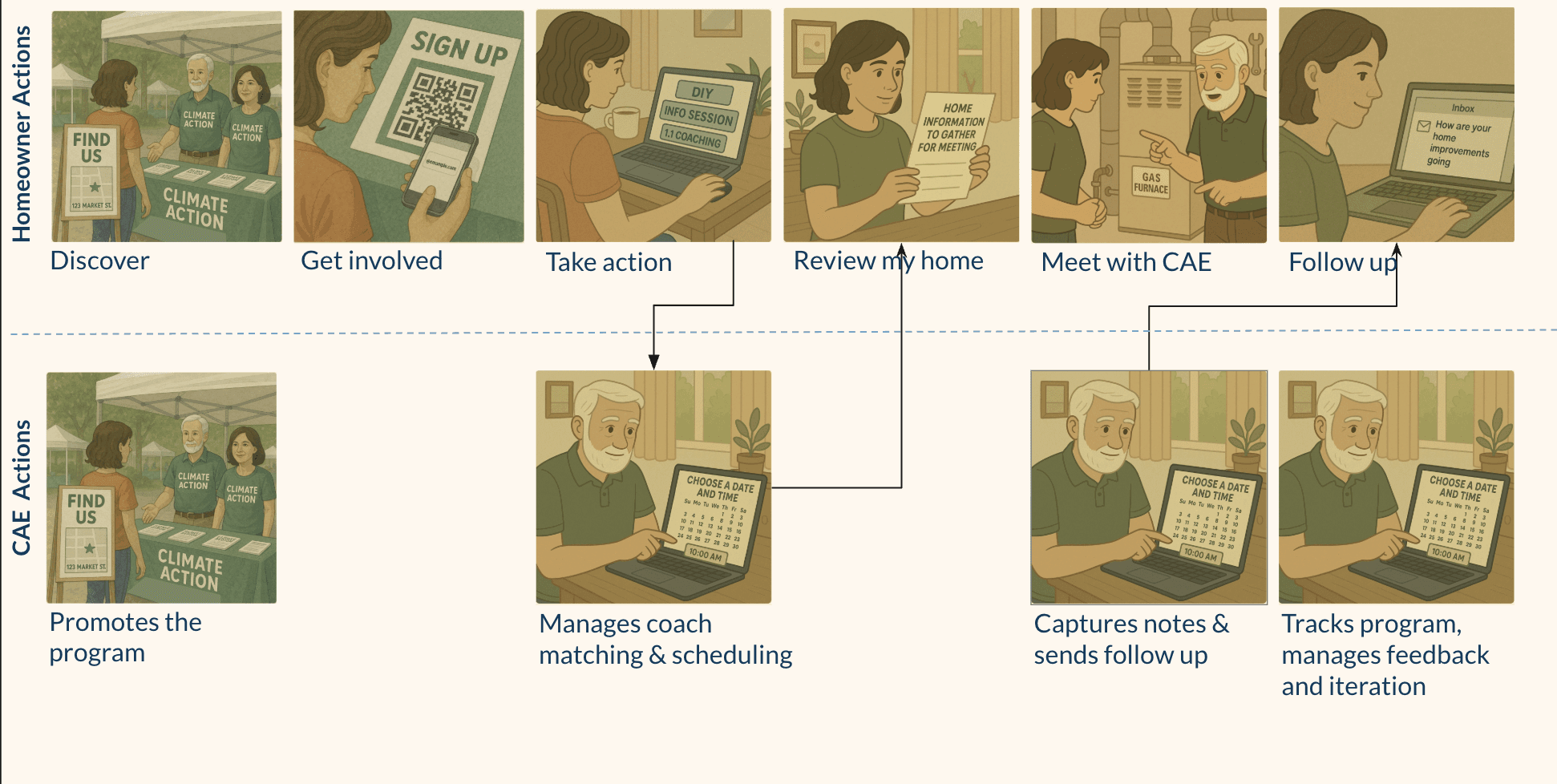
Automation and Volunteer Backstage actions
There needs to be a mixture of back end movement with the volunteers, along with digital automation so that the volunteers aren't constantly working behind the scenes in their limited amount of time
Understanding what processes and management softwares benefit the service both organizationally and financially was important to making this real and viable
Here are some options for CAE to use in their support processes with their backstage:

Google Forms

Zapier
Calendly

MailChimp
Success Metrics and Feedback
Lastly, We defined success metrics like number of QR scans, sessions booked, and popular recommendations—important for grants and long-term viability. We also outlined next steps: coach training, standardization, scaling partnerships, and improving recommendation follow-through..
One example of a metric built into the service was a follow up email with an in email response to the question:
Have you made any changes to your home?
1. Not yet
2. Working on it
3. Yes!